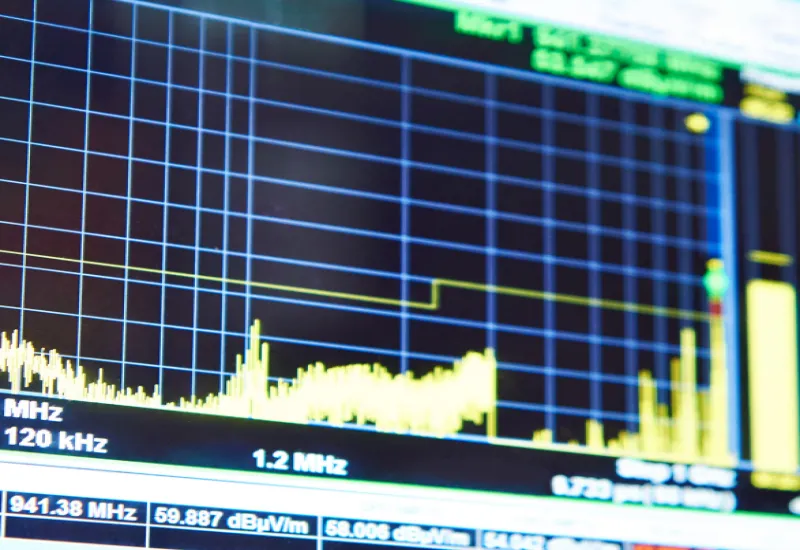
In environments with electromagnetic energy sources, a device, user, or vehicle can be affected by EM disturbances if proper design, installation, and operating conditions have not been considered. Electromagnetic Compatibility (EMC) is the discipline that ensures equipment operates correctly in its electromagnetic environment without introducing unacceptable interference to other systems.
There are several coupling channels through which these disturbances can be transferred:
-
Conduction
-
Magnetic induction
-
Capacitive induction
-
Radiation
These mechanisms can occur simultaneously in complex industrial environments, such as those found in high-tech manufacturing areas.
Fundamental areas of study in EMC
EMC is divided into three main areas that structure the analysis and regulatory compliance of any electrical or electronic system:
Emissions
An electromagnetic emission is the phenomenon by which a source releases electromagnetic energy into its surroundings. Emissions control aims to ensure that equipment does not interfere with other systems, such as radiocommunication services, power networks, or sensitive instrumentation.
Emissions are typically classified as:
-
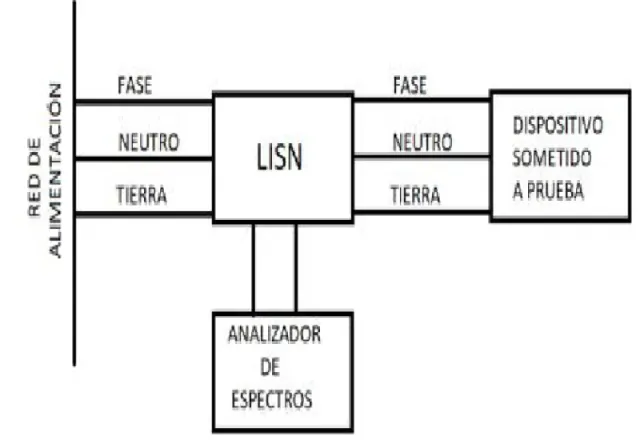
Conducted emissions, propagated through power or signal lines
-
Radiated emissions, transmitted by electromagnetic fields in free space
Compliance in this area is evaluated using international standards such as those of the International Electrotechnical Commission or CISPR, widely adopted in industry.
Immunity
When a device operates without performance degradation in the presence of electromagnetic disturbances, it is considered electromagnetically immune. This area evaluates the ability of equipment to withstand interference from multiple sources, including:
-
Radio transmitters
-
Variations on power lines
-
Electrostatic discharges
-
Strong electromagnetic fields
Immunity testing is essential to ensure operational reliability, especially in critical sectors such as automotive, aerospace, and medical.
System compatibility
Beyond the individual analysis of emissions and immunity, EMC also studies the overall interaction among systems within the same environment. This involves evaluating the coexistence of multiple devices operating simultaneously, ensuring there is no cross-interference that compromises functionality.
Types of electromagnetic disturbances
Electromagnetic disturbances can be classified according to their frequency range and nature:
Low frequency (below 9 kHz)
-
Conducted emissions:
Slow voltage variations on the power network, including fluctuations, imbalances, voltage dips, interruptions, and harmonic distortion. -
Radiated emissions:
Continuous or transient magnetic or electric fields, typically associated with high currents or slow switching.
High frequency (above 9 kHz)
-
Conducted emissions:
Fast transients, oscillations, and currents induced or coupled onto power or signal lines. -
Radiated emissions:
Electromagnetic fields generated by high-speed devices such as switching converters, digital systems, or RF transmitters.
Other relevant phenomena
-
Electrostatic discharge (ESD): Sudden charge transfers between bodies at different electric potentials.
-
Nuclear electromagnetic pulse (EMP): High-energy event capable of affecting extensive infrastructure.
-
Electrical fast transients (EFT/Burst) and surges (Surge): Common in industrial environments with inductive loads.
Importance of EMC in industry
In industrial regions such as Monterrey and its metropolitan area, where sectors such as advanced manufacturing, automotive, and electronics converge, EMC is a critical factor for:
-
Avoiding intermittent failures that are difficult to diagnose
-
Ensuring regulatory compliance for exports
-
Protecting sensitive infrastructure
-
Reducing costs from unplanned downtime
Designing with EMC criteria from the early stages minimizes risk, optimizes performance, and ensures the interoperability of complex systems.
Specialized EMC services
To address the challenges associated with electromagnetic compatibility, specialized technical support for testing, diagnostics, and mitigation is essential.
At Creative IT we offer comprehensive solutions for industry:
-
EMC design and evaluation of electronic equipment
-
Emissions and immunity testing in accordance with international standards
-
Field diagnostics of electromagnetic interference
-
Implementation of filtering, shielding, and grounding solutions
-
Integration of instrumentation and automation for EMC testing
Learn more about our services on our page-
Optimize the performance of your systems and ensure regulatory compliance with a technical, precise approach aligned with the demands of modern industry.