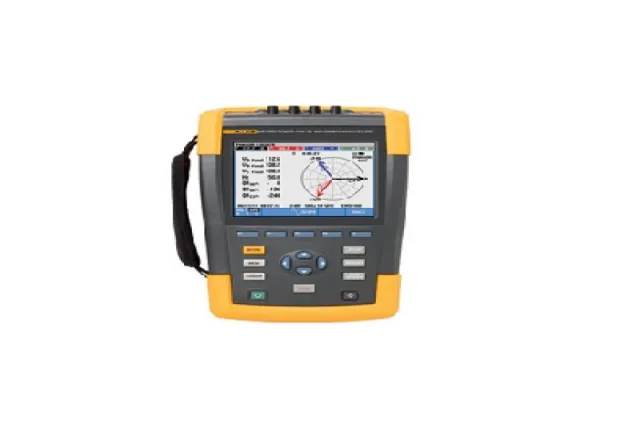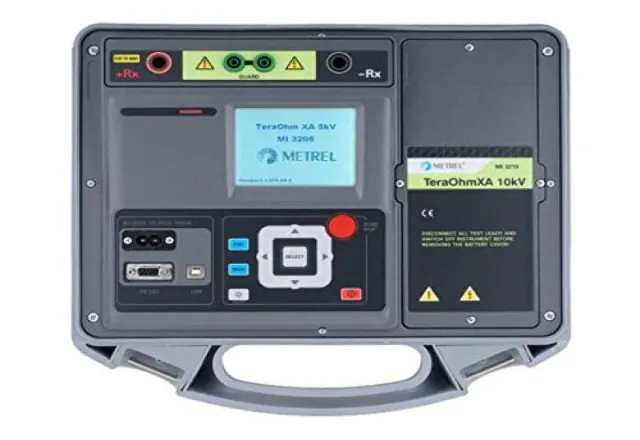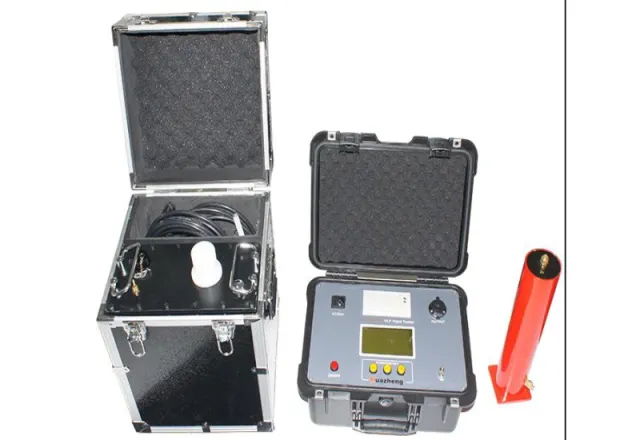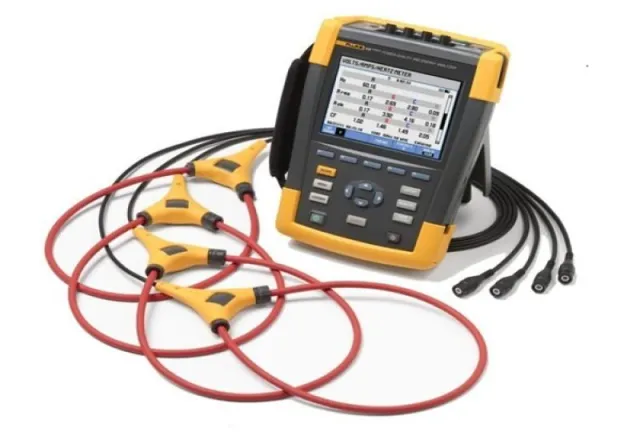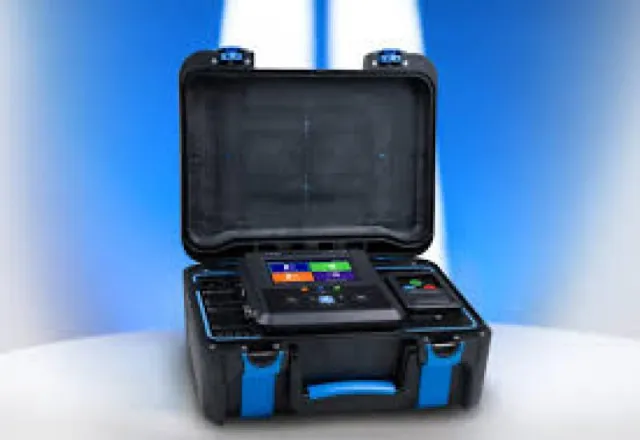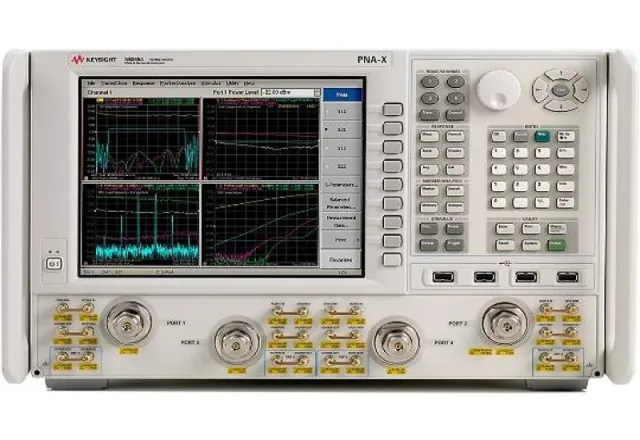
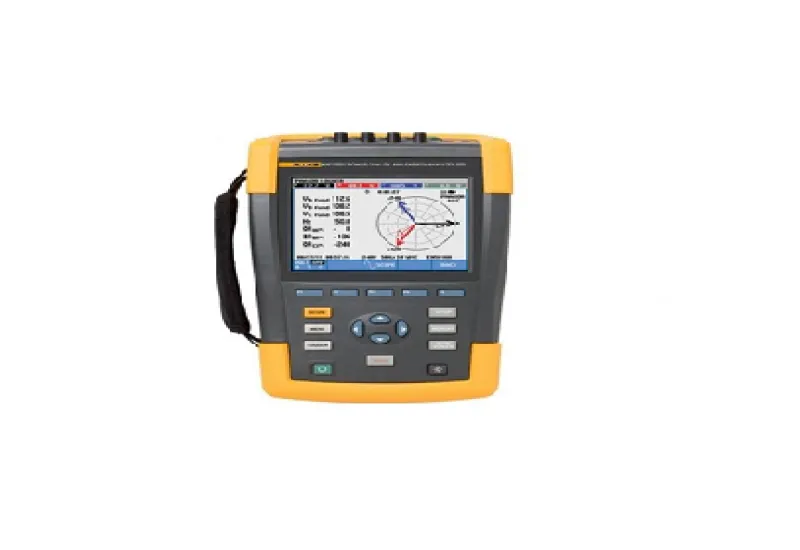
Every time a project calls for a power quality analyzer, a 10 kV insulation tester or a vector network analyzer, someone at the plant asks the same question: do we buy it or rent it? The quick answer usually looks only at the list price, and that is where the mistakes start. The real cost of an instrument includes calibration, maintenance, training, import lead time and the risk that the technology becomes obsolete before it pays for itself. This article lays out a practical decision framework for maintenance, quality and project engineers working at plants in Mexico.
1. Utilization: the factor that matters most
Start with how many days per year the instrument will actually be used. A multimeter or clamp meter that is used every day on the production floor almost always justifies a purchase. A three-phase analyzer needed only for a power quality study ahead of a grid code compliance review, or to chase down a one-off harmonics problem, spends most of the year in a case.
A simple way to compare is to calculate the total cost of ownership (purchase price + calibrations + repairs + accessories + storage + cost of capital − resale value) and divide it by the expected days of use over the instrument’s service life. If that cost per day of use is higher than the equivalent rental rate, renting wins. There is no universal percentage; it depends on the type and price of the equipment.
2. Project length and demand peaks
Projects with a defined start and end date are the classic rental case: commissioning a substation, starting up a new line, VLF acceptance testing of cables, a ground resistance survey. So are demand peaks, such as a plant shutdown that needs three insulation testers for one week when you normally need one.
If the same project repeats every year at the same intensity, run the numbers again: several back-to-back rentals can exceed the purchase price.
3. Calibration costs and intervals
An owned instrument must be calibrated periodically if its readings support quality or safety decisions. ISO 9001 (clause 7.1.5) requires measuring equipment to be calibrated or verified at specified intervals against traceable standards, with its calibration status identified. Your quality system sets the interval based on the manufacturer’s recommendation, usage and the instrument’s history. Annual cycles are common, but they are not a fixed rule.
When you buy, budget for:
- The cost of every calibration over the instrument’s life.
- Downtime while it is out for calibration, and whether you need a backup unit.
- The administrative load: calibration schedule, labels, certificates and out-of-tolerance evaluations.
A rental unit should arrive with a current calibration and certificate. Before you accept it, check the calibration date and make sure the due date covers your entire project.
4. Technology obsolescence
In RF instrumentation, high-bandwidth oscilloscopes and network analyzers, technology moves fast: new communication standards, higher frequencies, new software-based analysis options. Buying a high-end instrument for a single program can leave you with an asset that no longer meets the next program’s requirements. Mature equipment such as ground resistance testers and insulation testers changes slowly and holds its usefulness, which favors buying when use is frequent.
Also confirm that the manufacturer still offers support, spare parts and firmware updates. An unsupported instrument becomes hard to repair and calibrate.
5. Cash flow: OPEX vs. CAPEX
A purchase is a capital expenditure. It needs an approved budget, often sign-off from headquarters, and it is recovered through depreciation. A rental is an operating expense that can be charged directly to the project or to the cost center using it. At many foreign-owned plants in Mexico, getting OPEX approved is far faster than pushing a CAPEX request through corporate. Check the specific tax treatment with your accounting or tax team.
6. Import lead times and Mexican customs
Many specialized instruments are not stocked locally and have to be imported. That means manufacturing or distributor lead time, international freight, customs clearance through a licensed Mexican customs broker (agente aduanal) with an import declaration (pedimento), import taxes and, for some products, compliance with Mexican official standards (NOMs) depending on the tariff classification. Lead times vary widely by manufacturer and product, so ask for a committed delivery date in writing. If your project kicks off in two weeks, an instrument that is already in Mexico and available for rent may be the only realistic option.
7. Training and technical support
A sophisticated instrument that is set up wrong produces useless data. If your team rarely uses it, every project means relearning the setup, the connections and the download software. When you rent, ask whether the supplier can walk you through configuration and help interpret the results. For high-voltage work (hipot, VLF, 5 or 10 kV insulation testing), testing must be done only by qualified personnel, with lockout/tagout, and in line with NOM-029-STPS, the Mexican labor ministry (STPS) standard for electrical maintenance safety.
Comparison table: rent or buy
| Criterion | Rent when | Buy when |
|---|---|---|
| Utilization | Occasional or campaign-based use | Daily or weekly use |
| Project length | Short projects or demand peaks | Continuous need over several years |
| Calibration | You want it delivered calibrated, with no program to manage | You have a calibration program and an annual budget |
| Obsolescence | Fast-moving technology (RF, high bandwidth) | Mature, stable technology |
| Cash flow | OPEX available, CAPEX constrained | CAPEX approved and justified by usage |
| Lead time | Immediate start, no time to wait for an import | Purchase can be planned well ahead |
| Training | Sporadic use, supplier support is valuable | Trained staff who use it frequently |
How CreativeIT can help
CreativeIT Group is an electrical and electronic test laboratory in Monterrey, Nuevo León, serving plants across Mexico, and we offer both options so you can choose what fits. Our test and measurement equipment rental catalog includes, for example, power quality analyzer rental and insulation resistance testers up to 10 kV. When usage justifies a purchase, browse our test equipment for sale, including three-phase power quality analyzers. The instruments we use are calibrated periodically with traceability to NIST, and our engineers reply the same day.
FAQ
Does rental equipment come with a calibration certificate?
It should arrive with a current calibration and its certificate. Ask for the document before using the instrument, check the due date and file it with the project records, since your auditor may ask to see it.
How do I find the break-even point between renting and buying?
Add up the total cost of ownership over the expected service life (purchase, calibrations, repairs, accessories, storage and cost of capital, minus resale value) and compare it with the cost of renting the instrument for the days you will actually need it over the same period.
Can I rent first and buy later?
Yes, and it is good practice. Renting lets you confirm that the model meets your needs, and how much you really use it, before committing CAPEX. Ask the supplier about the options available for the model you are considering.
If you are evaluating an instrument for your next project, tell us what you need to measure, for how long and at which plant. We will help you decide between renting and buying with real numbers. Call +52 (81) 4777 6921 or (81) 2230 6079, message us on WhatsApp, email info@creativeit.mx, or request a quote. We are available Monday to Saturday, 10:00 to 18:00 (Monterrey time).