Insulating rubber gloves are, together with lockout and verifying the absence of voltage, the last barrier between an electrician and an electric shock. Unlike other personal protective equipment, their failure is not obvious: a pinhole, a tiny cut or ozone cracking can let current through while the glove still looks fine. That is why buying the right class is not enough; gloves must be inspected before every use, stored properly and electrically retested in a laboratory at regular intervals. This guide explains how gloves are classified, what to check in the field and what a formal test involves.
The applicable standards
In Mexican industry, ASTM and NFPA references are commonly used alongside the general obligations of the STPS standards:
- ASTM D120: specification for new rubber insulating gloves. It defines classes, types, dimensions, marking and acceptance tests.
- ASTM F496: in-service care of insulating gloves and sleeves. It covers inspection, periodic retesting and rejection criteria.
- ASTM F696: leather protectors worn over the rubber glove.
- ASTM F1236: guide for the visual inspection of rubber insulating products.
- NFPA 70E: electrical safety requirements in the workplace, including selection and care of protective equipment.
- NOM-029-STPS and NOM-017-STPS: require employers to provide personal protective equipment suited to the hazard and to keep it in usable condition.
Standards are revised periodically; before writing an internal procedure, check the current edition your company uses as its reference.
Insulating glove classes and types
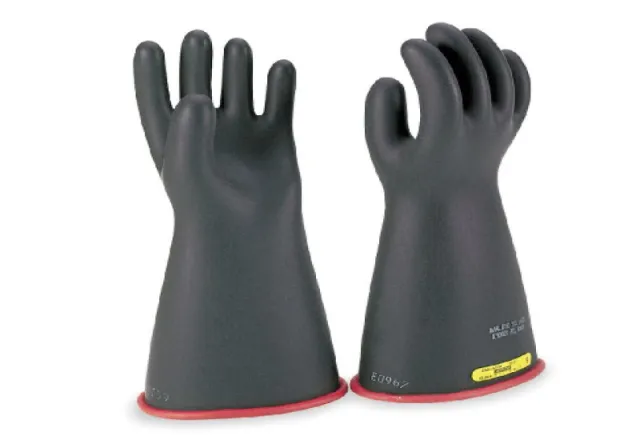
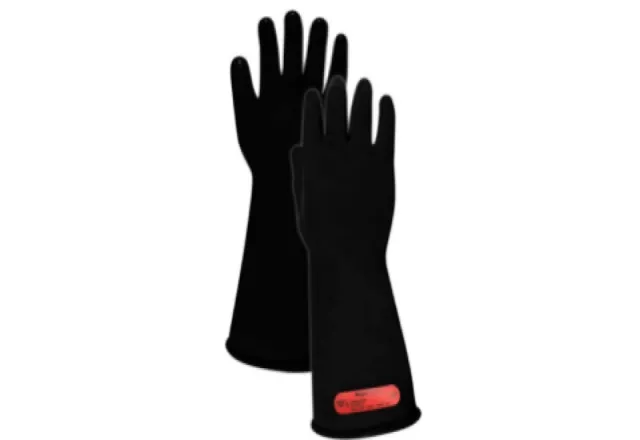
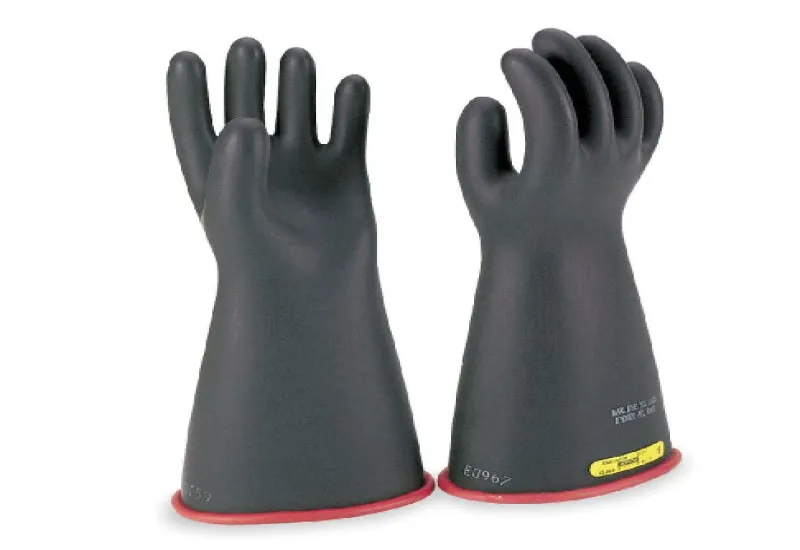
ASTM D120 groups gloves into six classes by maximum use voltage. The glove label has a colour that identifies the class:
| Class | Maximum use voltage (AC) | Label colour |
|---|---|---|
| 00 | 500 V | Beige |
| 0 | 1,000 V | Red |
| 1 | 7,500 V | White |
| 2 | 17,000 V | Yellow |
| 3 | 26,500 V | Green |
| 4 | 36,000 V | Orange |
Besides the class, the glove shows its type: Type I is not ozone resistant and Type II is. Ozone is produced near high-voltage equipment and motors and attacks rubber, forming fine cracks; in substations and medium-voltage switchgear, Type II is worth considering.
The class is chosen from the voltage the worker may be exposed to, which comes from the electrical risk assessment. A common mistake is using Class 0 gloves on 480 V panels “because they are more comfortable” and then wearing the same pair for work near medium voltage. Every task should have its minimum class defined.
Inspection before every use
Field inspection is the wearer’s responsibility and should be done before each shift and after any event that could have damaged the gloves. It includes:
- Checking the test date: if the last electrical test has expired, the glove is not used.
- Air test: roll the cuff to trap air inside the glove, or use a hand inflator, then look and listen for leaks. Holding the inflated glove near your face also helps you feel escaping air. Never over-inflate or use uncontrolled compressed air.
- Visual and tactile inspection: inside and out, gently stretching the rubber in each area, especially between the fingers. Look for cuts, punctures, tears, ozone cracking, swelling, sticky or hardened areas, embedded objects and contamination from oils or solvents.
- Leather protectors: check them for holes, metal particles or contamination that could damage the rubber glove.
If there is any doubt about a glove’s integrity, take it out of service and send it for testing. A pair of gloves costs far less than an accident.
Using leather protectors correctly
The leather protector is worn over the rubber glove to protect it from cuts, abrasion and punctures. It must never be used on its own as electrical protection, and the rubber glove must extend beyond the protector cuff by a minimum distance that the standard sets according to class. Do not use protectors that have been in contact with oil, and never wear rubber gloves inside out.
Storage: where many gloves get damaged
Many gloves that fail testing were damaged in the storeroom or the toolbox, not on the job. General recommendations are:
- Keep them in their bag or case, not folded or compressed, fingers up and not turned inside out.
- Protect them from direct sunlight, heat, moisture and sources of ozone.
- Do not store them with tools, solvents, fuels or equipment with sharp edges.
- Do not use unapproved powders on them, or mark them with pens or adhesive labels the manufacturer does not allow.
Periodic electrical testing
How often
The most widely used references (NFPA 70E and ASTM F496) call for gloves to be tested before first issue and thereafter at intervals not exceeding six months. New gloves kept in storage without being issued also have a time limit since their last test before they can be put into service. If your internal procedure or your customer requires shorter intervals, those apply.
What the laboratory does
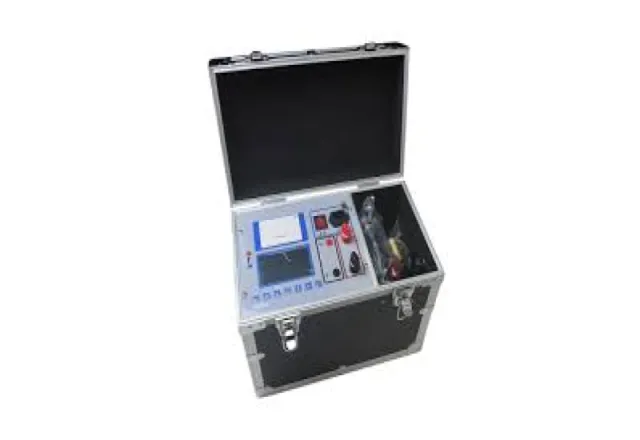
A formal test combines a detailed inspection with a dielectric test. For the electrical test, the glove is filled with water and immersed in a tank of water, leaving a dry band at the cuff; the test voltage for the class is applied between the inside and outside water for the time the standard specifies. In the AC test, leakage current is also measured and must not exceed the limit specified for the glove’s size and class.
A glove that passes is marked with the test date and returned with a record that makes it traceable. A glove that fails the inspection or the electrical test is removed from service and made unusable so it cannot be worn by mistake.
When to retire a glove early
- After an arc event or contact with an energized part.
- If it is contaminated with oil, fuel or solvents that cannot be removed following the manufacturer’s instructions.
- If it shows any of the defects described in the visual inspection.
- If it has no identification or record of its last test.
How to manage gloves across a plant
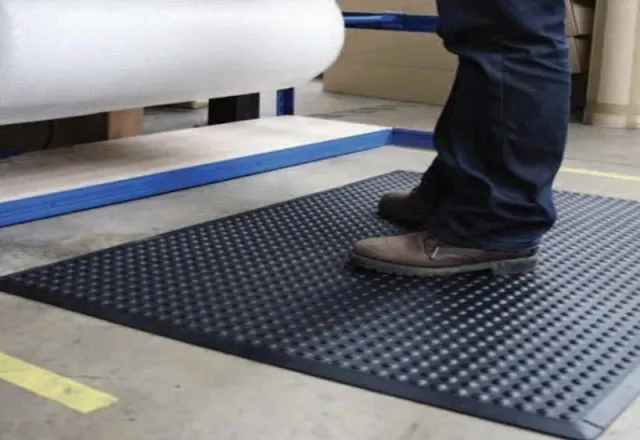
The most practical approach is an inventory listing each pair’s serial number or ID, its class, the worker it is assigned to and the date of its last test. Many companies keep two sets per person: one in use and one at the laboratory, so testing never leaves an electrician without protection. The same system works for other insulating equipment, such as insulating mats, sleeves and hot sticks, which also need periodic verification.
Frequently asked questions
Can insulating gloves be repaired?
As a general rule, no. A glove damaged in the working area is retired. The standards allow very few exceptions and only under specific conditions; in industrial practice, gloves are normally replaced.
Do new gloves need testing?
Yes. Before they are first issued, they must have a current test. The manufacturing date does not replace the test date.
How CreativeIT can help
At CreativeIT, an electrical and electronic testing laboratory in Monterrey, we carry out insulating glove testing and other electrical tests on insulating protective equipment. If you need to replace retired pairs, we also sell insulating gloves in several classes. Contact us at (81) 4777 6921 or info@creativeit.mx to schedule testing for your equipment.