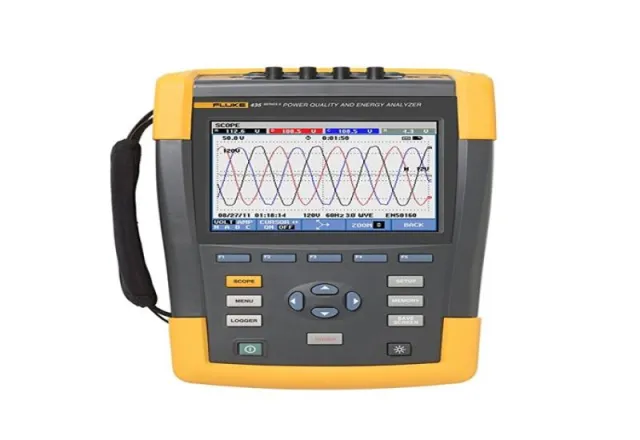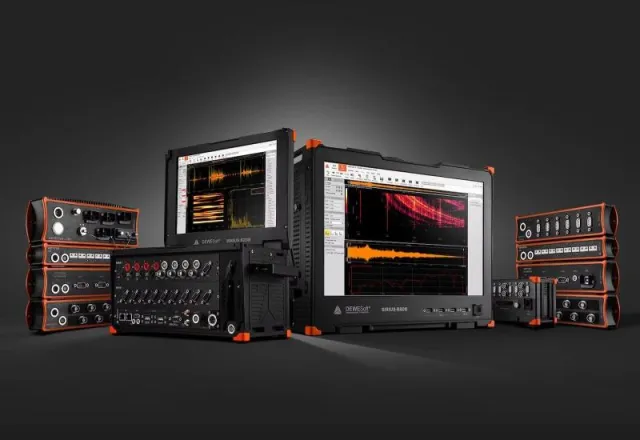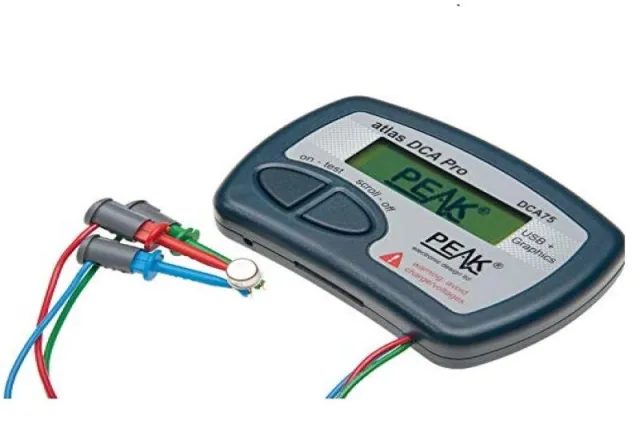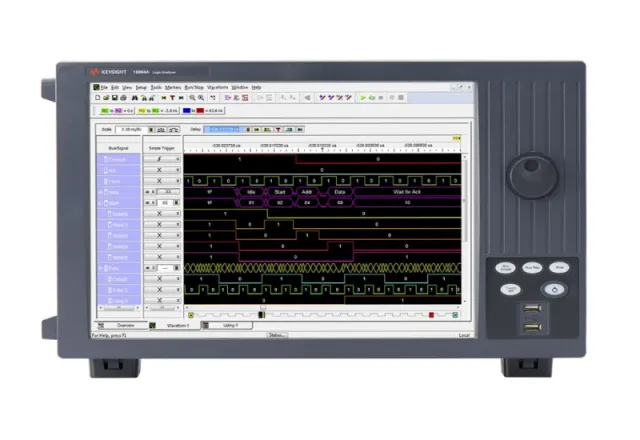
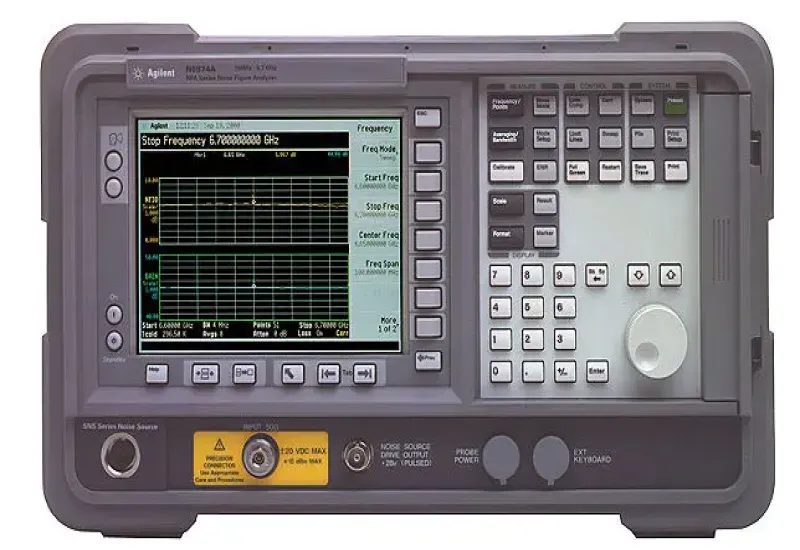
We offer characterization of your devices and sales and rental of equipment, with noise figure analyzers up to 3.0 GHz and noise sources up to 18 GHz. We carry brands such as Agilent, Tektronix, Anritsu and Rohde & Schwarz.
It is an excellent opportunity to rent before you buy and see whether a given instrument meets your requirements. Test the equipment in the field to see its actual performance.
Noise figure analyzers and noise sources are devices used in electronics and communications to measure and characterize noise in circuits and systems.
Let’s look at each one separately:
1. Noise figure analyzers:
A noise figure analyzer is a measuring instrument used to quantify the amount of noise that an electronic device or system adds to a signal. Noise figure is a measure of the ratio between the noise power at the output and the noise power at the input of a component or system. It is generally expressed in decibels (dB).
The noise figure analyzer is used to make accurate noise figure measurements of amplifiers, receivers, transceivers and other radio frequency and microwave devices. It is an essential tool in the design, development and optimization of communication systems, where noise figure is a critical parameter for ensuring optimal performance and high signal quality.
2. Noise sources:
Noise sources are devices that generate noise signals with a known, well-defined frequency distribution. These noise signals are used to characterize and measure the noise figure of amplifiers and communication systems. There are different types of noise sources, such as:
Thermal noise sources These noise sources are based on the thermal noise generated by resistors in an unbalanced state or by pairs of resistors in a balanced state.
Diode noise sources: These are based on the noise generated by junction diodes, such as Schottky diodes, Gunn diodes or PIN diodes, in different operating modes.
Microwave noise sources: These are noise sources that operate in the microwave frequency range and are used in high-frequency applications.
These noise sources are used together with noise figure analyzers to make accurate and reliable noise figure measurements of components and systems. They are also used in research and development laboratories to study noise behavior in different devices and circuits.
How the analyzer works
The operation of noise figure analyzers and noise sources involves the generation, measurement and analysis of noise in electronic and communication systems. Let’s see how each of them works:
1. Noise figure analyzers:
The noise figure analyzer is a measuring instrument that evaluates the signal-to-noise ratio (SNR) of a device or system based on the noise power ratio between the input and the output. The typical operating process of a noise figure analyzer includes the following steps:
Analyzer setup: The initial analyzer settings are established, such as the frequency range, analysis bandwidth, resolution, power reference level and other measurement-specific characteristics.
Connecting the device under test: The device or system under test is connected to the noise figure analyzer. This involves ensuring proper connections to minimize signal and noise losses during the measurement.
Noise power measurement: The noise figure analyzer generates a test signal (generally a tone of known frequency) and measures the noise power at the input and output of the device under test.
Noise figure calculation: From the noise power measurements, the noise figure analyzer calculates the noise figure of the device or system. The noise figure is expressed in decibels (dB) and represents the ratio between the noise power at the output and the noise power at the input.
Display and analysis of results: The measurement results are shown on the noise figure analyzer’s screen, which displays the noise figure and other related parameters. Engineers and technicians can analyze these results to evaluate the performance of the device or system and make adjustments if necessary.
2. Noise sources:
Noise sources generate noise signals with a known frequency distribution. These noise signals are used to characterize and measure the noise figure of devices and systems. How noise sources work depends on the specific type of source, such as thermal noise sources, diode noise sources, microwave noise sources, among others. The basic operation of a thermal noise source is described below:
Thermal noise in resistors: Thermal noise sources are based on the noise generated by resistors in an unbalanced state or by pairs of resistors in a balanced state. Thermal noise is a consequence of the random motion of electrons in resistors and is independent of the applied current or voltage.
Noise generation and amplification: The thermal noise generated in the resistors is amplified by low-noise amplification stages to obtain a noise signal with power suitable for measurements.
Noise source output: The noise source emits the generated noise signal, which is connected to the device under test.
What noise figure analyzers and noise sources are used for
Noise figure analyzers and noise sources are essential tools in communications and high-frequency electronics. They are used to measure and characterize noise in devices and systems, which is fundamental for evaluating the performance of amplifiers, receivers, transceivers and other components in communication systems and high-speed electronics.
Below we detail what each one is used for:
1. Noise figure analyzers:
Noise figure analyzers, also known as noise analyzers or power noise analyzers, have various applications, including:
Amplifier evaluation: They make it possible to quantify the noise figure of amplifiers, which is crucial in communications applications where the goal is to minimize degradation of the signal-to-noise ratio (SNR) and maximize sensitivity and range.
Receiver characterization: Noise figure analyzers are useful for measuring receiver performance in terms of sensitivity and the ability to pick up weak signals in the presence of noise.
Communication system design and optimization: They help in selecting and optimizing components to improve the quality and efficiency of communication systems.
Noise analysis in transmission lines: They make it possible to evaluate the noise introduced by cables, connectors and other components in communication systems.
2. Noise sources:
Noise sources, also known as noise generators, are used to generate known, well-defined noise signals, which is useful in various applications, such as:
Calibration of noise figure analyzers: Noise sources are used to calibrate noise figure analyzers and ensure accurate, reliable measurements.
Device and system characterization: Noise sources are used to evaluate the noise figure of amplifiers, receivers and other components of electronic and communication systems.
Power and sensitivity measurements: They are used to calibrate measuring equipment and evaluate the power and sensitivity of receiving devices.
In summary, noise figure analyzers and noise sources are fundamental in the analysis and design of communication systems and high-frequency electronics. They make it possible to evaluate the quality and performance of components and systems in terms of noise, which is essential for ensuring high signal quality, efficient data transmission and reception, and optimal operation of electronic systems.