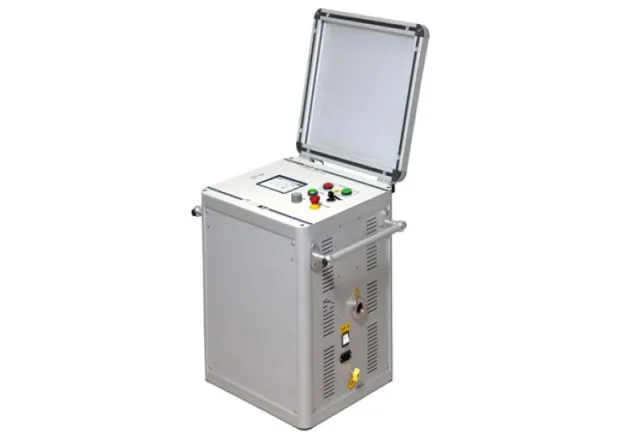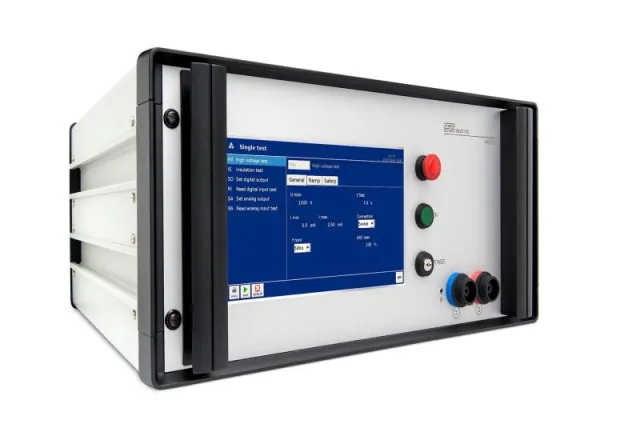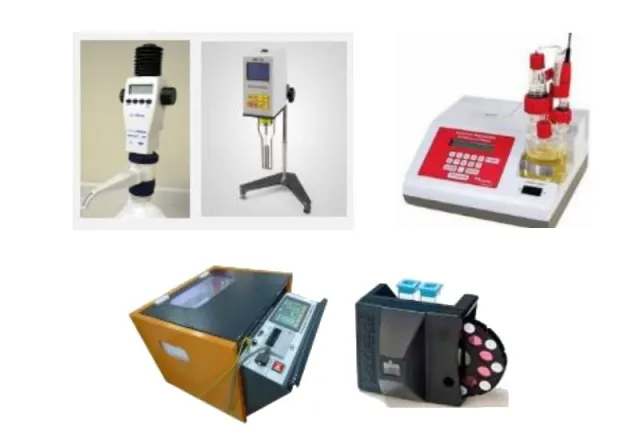
We have equipment and accessories to perform permeability tests on ferromagnetic materials in accordance with ASTM A876, ASTM A343, and IEC 60404.
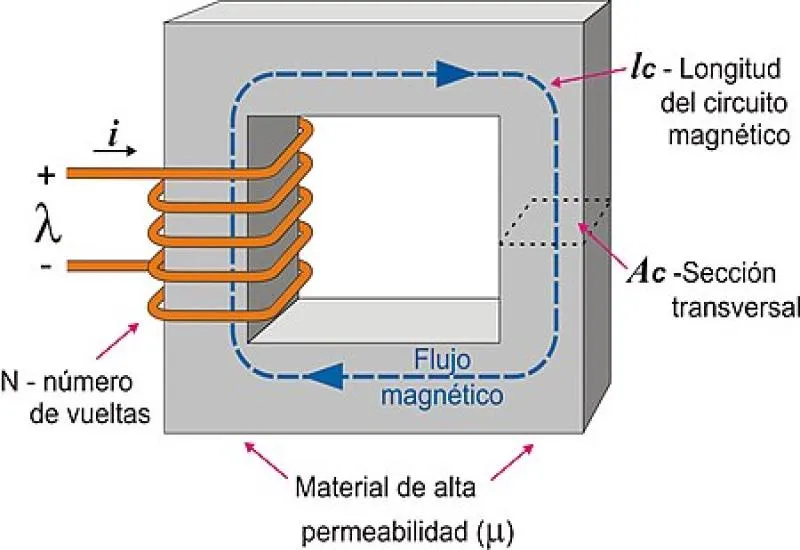
The permeability of the material used in a transformer is an important property that affects its performance and efficiency. Permeability refers to a material’s ability to allow magnetic fields to pass through it. In the context of a transformer, there are two types of permeability to consider: magnetic permeability and electrical permeability.
Magnetic permeability:
Transformer efficiency: The magnetic permeability of the transformer core influences the efficiency of the device. A material with high magnetic permeability allows magnetic fields to concentrate more easily, which reduces energy losses in the form of heat during energy transfer.
Magnetic flux: Magnetic permeability also affects the amount of magnetic flux that can pass through the transformer core. A material with high permeability facilitates greater magnetic flux, which can increase the efficiency of energy transfer.
Electrical permeability:
Electrical insulation: In addition to magnetic permeability, it is important to consider the electrical permeability of the material. A material with low electrical permeability helps prevent eddy currents and hysteresis losses in the transformer core.
Loss reduction: Low electrical permeability helps reduce the energy losses caused by eddy currents circulating in the transformer core. This is especially important in high-frequency transformers.
In summary, understanding and selecting materials with appropriate magnetic and electrical permeability is essential for optimizing the efficiency and performance of a transformer. The choice of materials can also influence the transformer’s ability to handle specific power levels and adapt to different operating frequencies.