Chemical Compatibility Testing Service | Creative IT
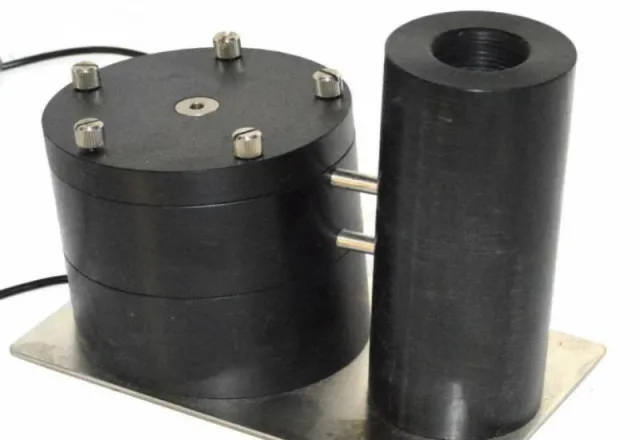
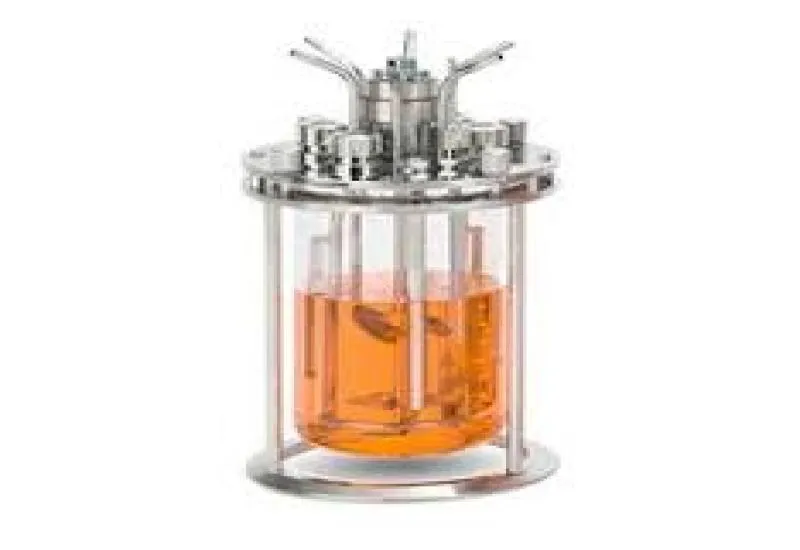
Laboratory pressure vessel for liquid analysis
The Creative IT laboratory pressure vessel, made of AISI 316 stainless steel, is designed for liquid chemical compatibility testing, hydrostatic pressure testing, vacuum testing and materials validation under controlled conditions. This system is ideal for analysis laboratories, research and development (R&D), reliability testing and industrial validation.
Target keywords: chemical compatibility testing, liquid testing, laboratory pressure vessel, hydrostatic testing, material compatibility, 316 stainless steel, testing laboratory, IEC 60068, ASTM, ASME.
What is liquid compatibility testing?
Liquid compatibility tests evaluate the interaction between a fluid and the materials that come into contact with it, such as stainless steel, seals, valves, connectors and internal components. These tests make it possible to identify:
-
Corrosion or chemical attack
-
Fluid migration or contamination
-
Seal degradation, swelling or hardening
-
Physical, visual or chemical changes in materials
These are critical tests in the electrical, electronics, energy, chemical, automotive and industrial process sectors.
How is liquid compatibility testing performed?
1. Vessel preparation
-
Controlled internal cleaning
-
Visual and dimensional inspection
-
Initial photographic record
2. Loading the test fluid
-
Introduction of the liquid through a dedicated port
-
Removal of trapped air
-
Typical fill level: 80–95 % of internal volume
3. Hydrostatic pressurization (optional)
-
Pressurization with liquid only
-
Typical range: 50 to 500 psig
-
Continuous pressure monitoring
4. Controlled exposure
-
Configurable time: hours, days or weeks
-
Constant or cyclic pressure
-
Possible integration with a climatic chamber for temperature–fluid testing
5. Post-test evaluation
-
Safe depressurization
-
Fluid draining
-
Visual inspection
-
Fluid analysis (color, particles, pH, dissolved metals)
-
Issuance of a technical report
Types of tests that can be performed
-
Compatibility of industrial and dielectric oils
-
Compatibility of coolants and thermal fluids
-
Tests with deionized, treated or additive-containing water
-
Evaluation of seals, valves and fittings
-
Combined pressure, temperature and fluid tests
Standards and technical alignment
Tests are performed under technical criteria that can be aligned with:
-
ASTM D471 – Immersion of materials in liquids (equivalent criteria)
-
ASTM G31 – Laboratory immersion corrosion testing
-
IEC 60068 – Environmental testing (when combined with temperature)
-
ASME BPVC Section VIII Div. 1 – Mechanical stress criteria (for reference)
Note: The vessel is not ASME certified; it is used as laboratory test equipment under controlled procedures.
Pressure vessel datasheet
Construction
-
Material: AISI 316 stainless steel
-
Wall thickness: 5 mm
-
Internal finish: Machined / industrial polish
Internal dimensions
-
Internal diameter: 11.5 cm
-
Internal height: 25 cm
-
Approximate usable volume: 2.6 liters
Operating conditions
-
Maximum working pressure (hydrostatic): 500 psig
-
Recommended pressure with gas: ≤ 150 psig
-
Vacuum capability: Full vacuum (≈ 0 mbar absolute)
Connections
-
Liquid fill port
-
Pressurization port
-
Instrumentation port
-
Relief valve: 500 psig
Laboratory applications
-
Chemical compatibility testing
-
Pressure and leak-tightness testing
-
Vacuum testing
-
Research and development
-
Materials and process validation
Safety and quality control
-
Calibrated pressure gauges
-
Written test procedures (SOPs)
-
Controlled depressurization
-
Documentation and traceability of every test