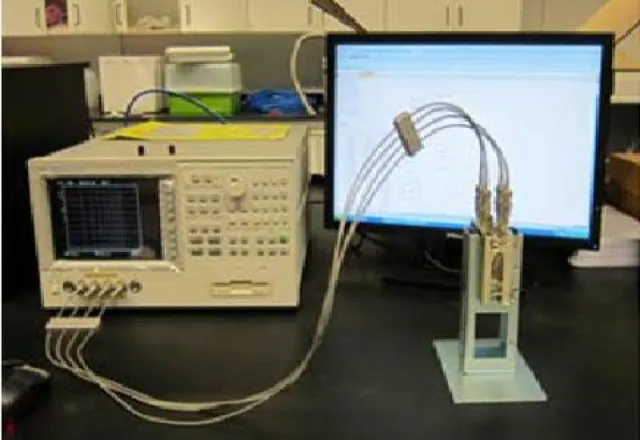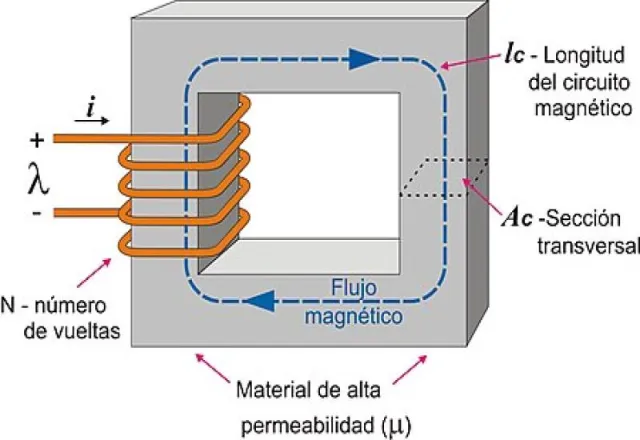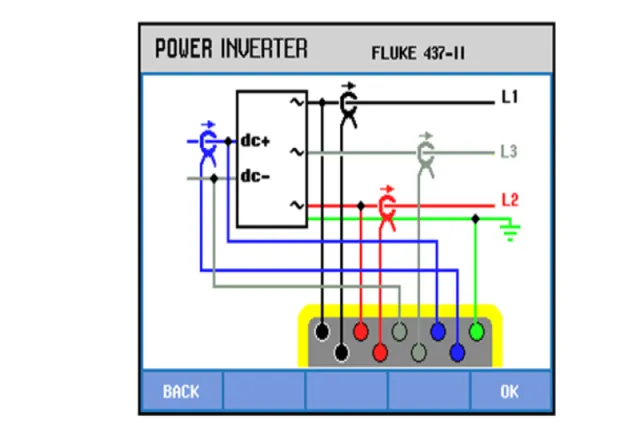
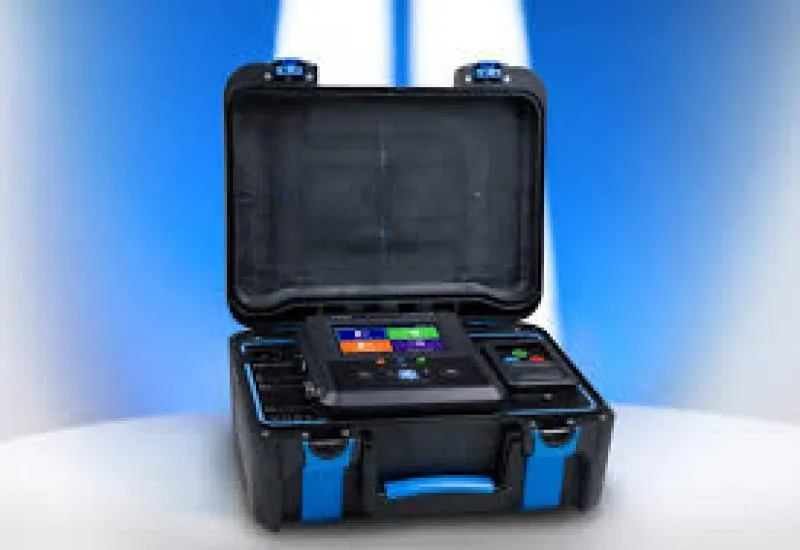
In accordance with IEEE 43, IEC 60034 and NOM-001-SEDE (Mexican electrical installations standard). In our laboratory we test electrical insulation, which is essential for the safety and efficiency of electrical systems because it protects users from possible electric shock and prevents short circuits. To keep insulation in good condition and ensure it operates correctly, several types of services and maintenance can be performed:
1. Visual inspection
Objective: Detect any obvious damage to the insulation, such as cracks, wear or signs of overheating.
Actions: Review of cables, terminals, switches and other insulating components to make sure there are no signs of physical damage.
2. Insulation resistance tests
Objective: Measure the electrical resistance of the insulation to verify that it is adequate and that there is no current leakage.
Actions: Use of a megohmmeter to measure the insulation resistance of cables, switches, transformers, etc. Low values may indicate that the insulation is compromised.
3. Insulation withstand voltage tests
Objective: Verify that insulating materials can withstand high electrical stress without failing.
Actions: A voltage higher than the rated voltage is applied to evaluate the insulation’s ability to withstand overvoltages without failure.
4. Partial discharge tests
Objective: Detect weak points in the insulation that could be sources of future failures.
Actions: Use monitoring equipment to detect partial discharges, which can indicate deteriorated or poor-quality insulation.
The sheath resistance test is a key test performed on site that detects possible cable defects. Known as the Megger test, it uses a megohmmeter to measure the resistance of the cross-linked or thermoplastic compound to an applied DC voltage. This test demonstrates the integrity of the cable sheath. The outer sheath works as environmental protection for the finished cable. For this reason, the name “sheath resistance test” is somewhat inappropriate.
The voltage applied depends on the type of cable: for low-voltage cables below 600V it is 250Vdc, 500Vdc or 1000Vdc, while for medium- and high-voltage cables the direct current exceeds 2500V (2.5kV) and 5000V (5kV). The voltage is applied for one minute before the reading is taken and recorded.
Our teams frequently use the sheath resistance test to verify the integrity of the sheath of graphite-coated track power supply cables NR/PS/ELP/00008. The graphite coating provides a semiconducting layer through which the potential current passes, and to perform the test this coating must be removed from the section to be tested. Depending on the thickness of the sheath material, the voltage applied is 8kV per millimeter of thickness up to a maximum of 25kV. This test is performed while the cable is on the drum to verify that it was not damaged during transport. The voltage applied depends on the type of cable: for low-voltage cables below 600V it is 250Vdc, 500Vdc or 1000Vdc, while for medium- and high-voltage cables the direct current exceeds 2500V (2.5kV) and 5000V (5kV). The voltage is applied for one minute before the reading is taken and recorded.
The cable is connected to a generator by means of interconnected deflector coils that join the sheath material and the copper metal braid. This non-destructive test detects water penetration, moisture, current leakage, short circuits in the wiring and deterioration in resistance, which in turn would indicate a failure in the integrity of the sheath.
The IEC 60364-6 Standard
According to IEC 60364-6, sheath resistance measurements must be:
Extra-low voltage (250Vdc test voltage) ≥ 0.5 MΩ
Up to 500V (500Vdc test voltage) ≥ 1.0 MΩ
Above 500V (100Vdc test voltage) ≥ 1.0 MΩ
The minimum sheath resistance value is determined at an ambient temperature of 20°C. If the temperature is different, the test results shall be corrected using a series of factors.
Once the cable has been installed, a similar test is performed with a potential of 10kV before splicing to ensure that no break has occurred that would affect the integrity of the sheath.
This test is also commonly performed on DNO cables, although these cables do not have a semiconducting graphite layer, so it is not necessary to remove it before the test.
The Cable Lab performs Megger tests as part of its on-site assessment for fault diagnosis. When appropriate, a sample of the affected cable will be taken to the laboratory for further tests such as the insulation resistance test