Services based on NOM-019-SCFI-1998 for electronic and industrial equipment
Introduction
Technical evaluation of electrical and electronic equipment in accordance with NOM-019-SCFI-1998 (Mexican product safety standard for data-processing equipment) is a fundamental tool in the pre-certification, development, and product validation stages. This type of analysis identifies electrical hazards, validates design criteria, and anticipates potential deviations before a unit is submitted to formal certification processes.
Beyond strictly telecommunications equipment, the principles of this standard are widely applicable to electronic systems in general, including industrial devices, data-processing peripherals, power sources, and storage systems such as batteries. The technical evaluation characterizes the electrical behavior of the equipment under controlled conditions, with a focus on safety, reliability, and performance.
Scope of Equipment Evaluated
The service covers a wide variety of electrical and electronic devices used in industrial, technological, and laboratory environments:
-
Telecommunications equipment such as routers, modems, gateways, and network terminals
-
Computer peripherals, including power supplies, monitors, interfaces, and expansion modules
-
Industrial electronic equipment, such as controllers, embedded systems, and automation modules
-
Energy storage systems, including industrial batteries, UPS units, and backup systems
-
AC/DC power supplies, converters, and regulators
-
Electronic test and measurement equipment
These devices share critical elements from an electrical standpoint, such as insulation, energy control, heat dissipation, and user protection.
Measurement Infrastructure and Equipment Used
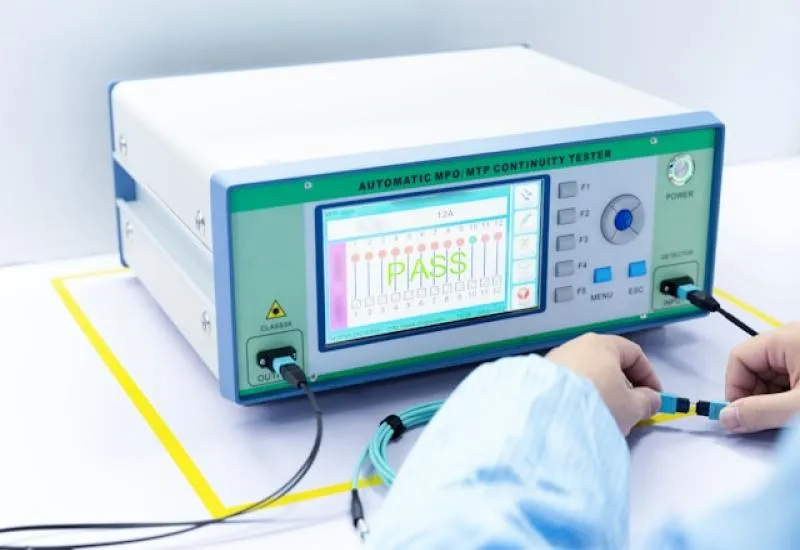
The technical evaluation is performed with specialized instrumentation commonly used in electrical and electronic analysis laboratories. This equipment accurately characterizes the behavior of the device under test:
-
Programmable power supplies to simulate controlled operating conditions and voltage variations
-
High-accuracy digital multimeters for voltage, current, and resistance measurements
-
Digital oscilloscopes for analysis of signals, transients, and dynamic behavior
-
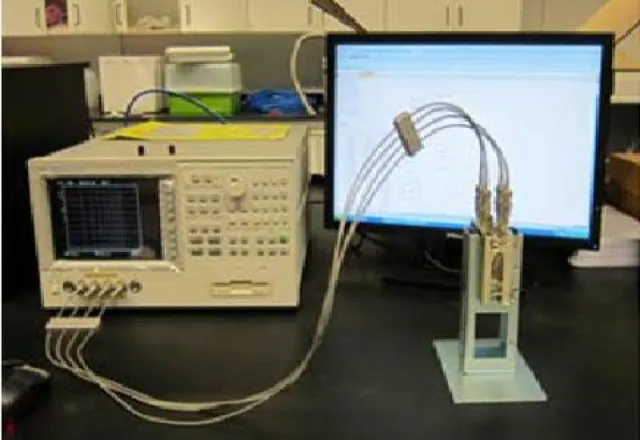
Impedance analyzers and LCR meters for characterization of components and electrical networks
-
Insulation testers (megohmmeters) to evaluate insulation resistance
-
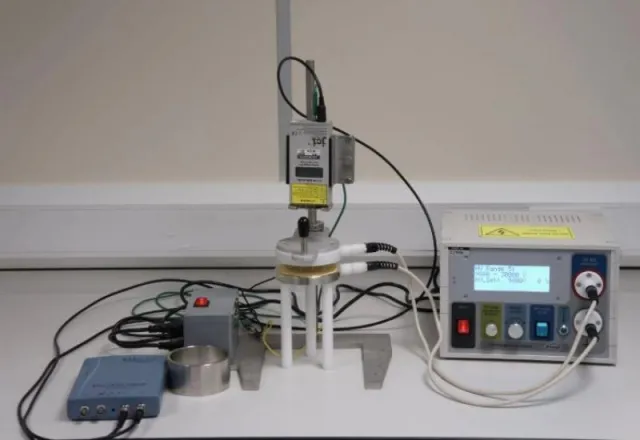
Hipot equipment for dielectric strength testing
-
Electronic loads to simulate real-world power consumption conditions
-
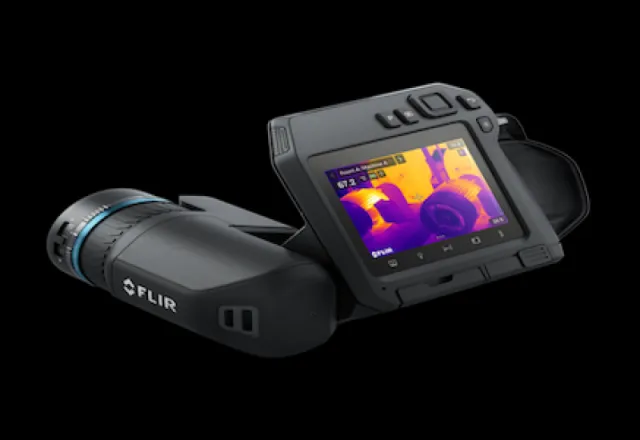
Thermal imaging cameras for analysis of heat distribution
Our laboratory has this type of instrumentation available for testing and
Electrical Classification of the Equipment
As part of the analysis, a detailed characterization of the equipment’s electrical design is performed:
-
Identification of SELV circuits, where voltage levels are inherently safe
-
Evaluation of TNV interfaces in equipment connected to telecommunications networks
-
Determination of the protection class (Class I with protective earth connection or Class II with double insulation)
-
Analysis of insulation barriers between primary and secondary
-
Evaluation of current paths and accessibility of energized parts
This classification establishes clear criteria for electrical risk assessment and defines the limits of safe operation.
Technical Tests Performed
Tests are developed based on the electrical safety principles set out in NOM-019, adapted to the type of equipment evaluated:
-
Visual inspection and construction analysis: evaluation of physical design, insulation distances, material quality, and accessibility of energized parts
-
Dielectric strength test: application of a controlled high voltage to verify insulation integrity between critical sections of the equipment
-
Leakage current measurement: quantification of unwanted currents that may pose an electrical hazard during operation
-
Ground continuity verification: low-resistance measurement of protective paths in equipment that requires grounding
-
Power consumption characterization: analysis of current, power, and behavior under different load conditions
-
Thermal evaluation: temperature monitoring during operation using sensors or thermography to identify hot spots
Practical Application to Industrial and Electronic Equipment
In industrial equipment, these tests validate the integrity of control systems, power supplies, and electronic modules exposed to demanding conditions. For batteries and backup systems, the analysis focuses on electrical stability, heat dissipation, and safe operating conditions.
For computer peripherals and general-purpose electronic equipment, the evaluation identifies risks associated with poor insulation, ground faults, or overheating, which can affect both the user and the system into which the equipment is integrated.
Technical Scope of the Service
The service provides detailed information on the electrical behavior of the equipment, making it possible to:
-
Detect design flaws at early stages
-
Validate electrical safety conditions
-
Adjust operating parameters
-
Prepare the equipment for formal certification processes
-
Reduce uncertainty in integration or development processes
The approach is technical and results-oriented, with clear reports that support decision-making in engineering and product validation.
Coverage
Services are available for technical evaluation projects in northeastern Mexico, focused on industrial, electronic, and technology development applications.