In Nayarit, the fastest-growing activity in recent years has been resort construction. The Riviera Nayarit, stretching north from Nuevo Vallarta and Bahía de Banderas, keeps adding hotels, gated communities, condominiums and marinas. Each project needs medium-voltage service, a customer-owned substation and a grounding system designed for sandy, salty soil.
The rest of the state is more agricultural: sugar cane processed at local mills, mangoes, tropical fruit and fishing. Hydroelectric plants such as Aguamilpa and El Cajón operate on the Santiago River, and Tepic, the capital, is home to hospitals, retail and public services.
What gets measured in Nayarit, and why
- New construction on the coast: before a hotel or condo tower is energized, the installation must meet NOM-001-SEDE-2012, Mexico’s electrical code, and medium-voltage cables must be free of pulling damage.
- Grounding in sandy soil: resistivity swings widely between the dry and rainy seasons, so design and verification should rely on real field data.
- Sugar mills and packing plants: transformers, mill motors and switchgear run hard during the harvest campaign.
- Operating hotels: panels and electrical rooms exposed to humidity and salt deposits need periodic inspection.
Recommended services for Nayarit
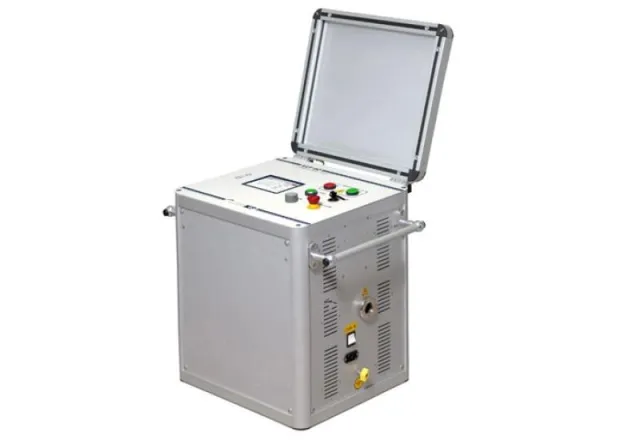
For developers and contractors, electrical installation verification per IEC 60364, IEC 61557 and NOM-001-SEDE documents that the project is ready for handover. Underground XLPE feeders can be validated with VLF testing of cable insulation before commissioning, a step that substation owners increasingly request.
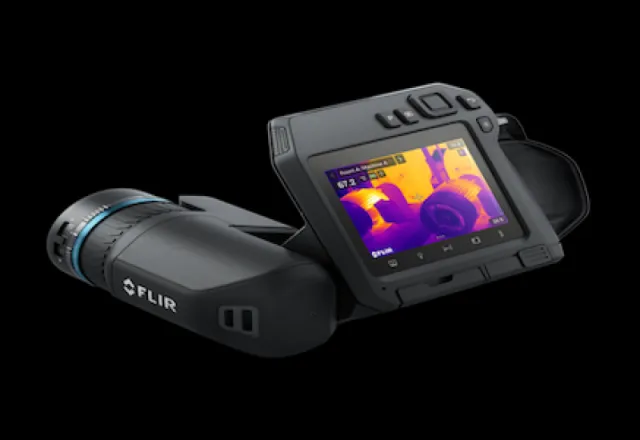
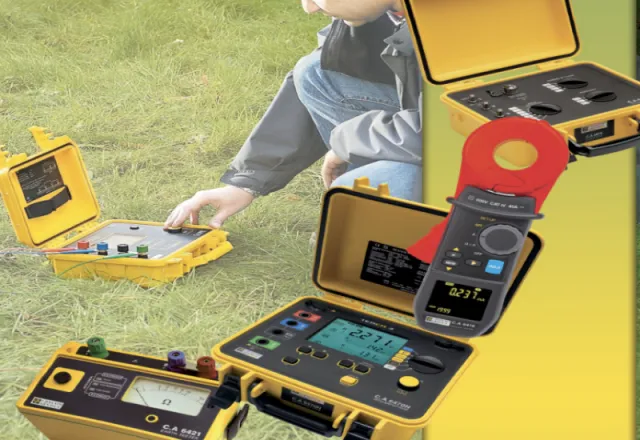
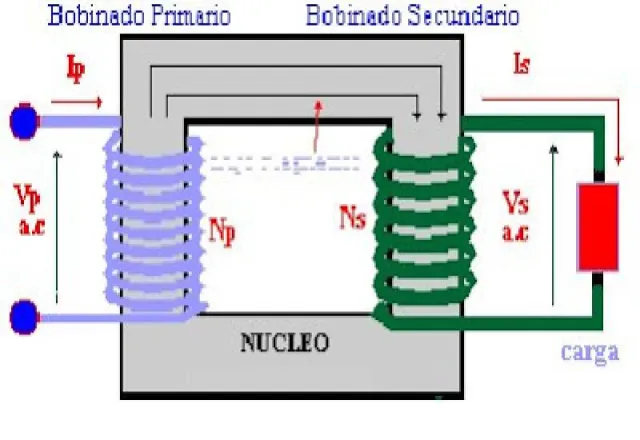
If you are designing a grounding grid, a soil resistivity and ground resistance study provides the data to size electrodes; on existing sites, ground resistance and lightning rod testing checks that corrosion has not pushed readings up. For hotels and mills already in operation, thermal imaging of electrical panels and transformer testing round out a sensible preventive maintenance program.
Serving Nayarit from Monterrey
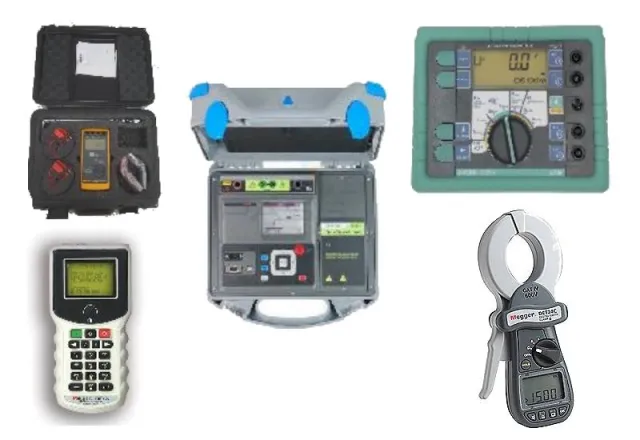
We serve Nayarit from our laboratory in Monterrey and have no facilities in the state. On construction projects, we usually match each visit to a project milestone: soil resistivity first, cable testing next, and the final verification last. That way the developer has documented evidence at every stage. For routine maintenance, many clients prefer to rent a ground tester or an insulation multimeter, which we ship by courier to Tepic or to the coast.
Every report includes the work plan, test protocol, photos and video, and testing can take place in the presence of the construction supervisor or the person responsible for the installation. Our equipment is calibrated by laboratories whose quality systems are certified by Perry Johnson Registrars, and results are traceable to NIST. The engineer who runs the test also interprets the data, and any question you have gets an answer the same day. There is no hand-off to a third party at any point in the process.