Photovoltaic cell analysis in Monterrey, Mexico per IEC 60904-1, 60904-1-1 and 60904-8: efficiency, I-V curve, degradation and uniformity.
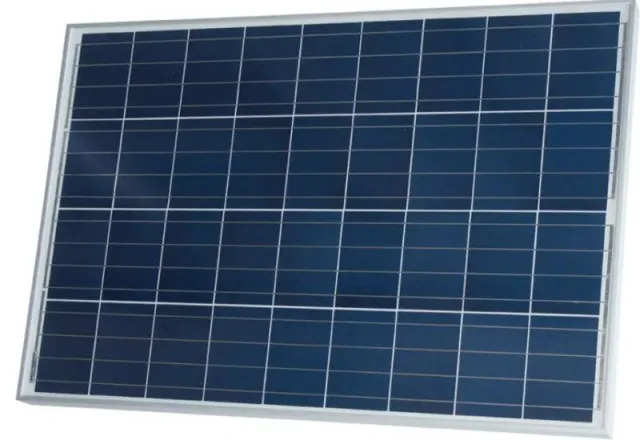
Photovoltaic cell analysis is a process that involves examining and evaluating the performance and characteristics of the solar cells used in photovoltaic solar panels, applying the international standards IEC 60904-1:2020, IEC 60904-1-1:2017 and IEC 60904-8:2014. These cells convert sunlight into electricity through the photovoltaic effect, and their performance is crucial in determining the overall efficiency of the solar panel.
Photovoltaic cell analysis can include several aspects, among them:
Conversion Efficiency
The conversion efficiency of a photovoltaic cell is a measure of the cell’s ability to convert incident solar energy into usable electricity. This parameter is calculated as the ratio between the electrical power generated by the cell and the incident power of sunlight. Conversion efficiency can be affected by several factors, including:
The quality of the semiconductor materials used in the cell, such as crystalline silicon, amorphous silicon, or thin-film materials such as cadmium telluride and copper indium selenide.
The structure of the cell, including the design of the PN junction, the layout of the metal contacts, and the presence of anti-reflective layers to maximize sunlight capture.
Environmental conditions, such as the intensity and angle of incidence of sunlight, ambient temperature and solar irradiance.
I-V Characteristics
Analyzing the current-voltage (I-V) characteristics of a photovoltaic cell involves measuring the cell’s output current as a function of the applied voltage under different illumination and temperature conditions. These measurements are used to plot the cell’s I-V curve, which shows how the current generated by the cell varies with the applied voltage. The I-V characteristics provide important information about the performance and efficiency of the cell, as well as key parameters such as short-circuit current, open-circuit voltage, maximum power and conversion efficiency.
Degradation
Over time, photovoltaic cells can degrade due to factors such as exposure to solar radiation, temperature, humidity and mechanical stress. Degradation can show up as a decrease in conversion efficiency, a reduction in output current or a change in the cell’s I-V characteristics. To evaluate cell degradation, accelerated aging tests can be performed in the laboratory, in which the cells are exposed to extreme conditions for a given period of time and their performance is monitored.
Uniformity
It is crucial to ensure performance uniformity among the cells of the same panel or among different solar panels in order to ensure consistent energy production. Lack of uniformity can be due to variations in material quality, in the manufacturing process or in operating conditions. In-line quality tests can be performed during panel manufacturing to identify and correct potential uniformity problems.
Radiation Resistance
Photovoltaic cells are exposed to intense solar radiation throughout their service life, which can damage the semiconductor materials and reduce their performance. It is therefore important to evaluate the cells’ resistance to solar radiation through accelerated irradiation tests in the laboratory. These tests can simulate the radiation conditions the cells will be exposed to during operation and provide information about their long-term durability and reliability.