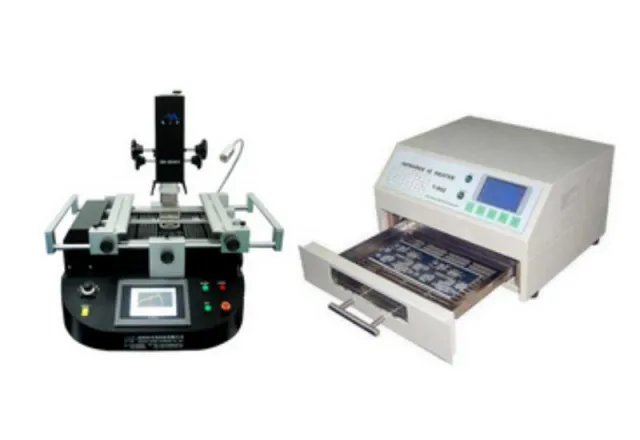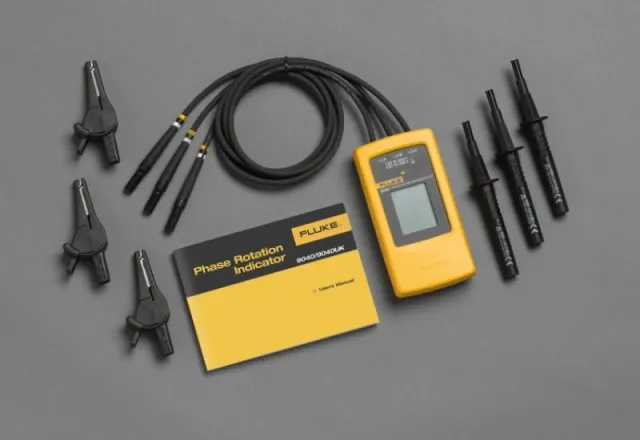
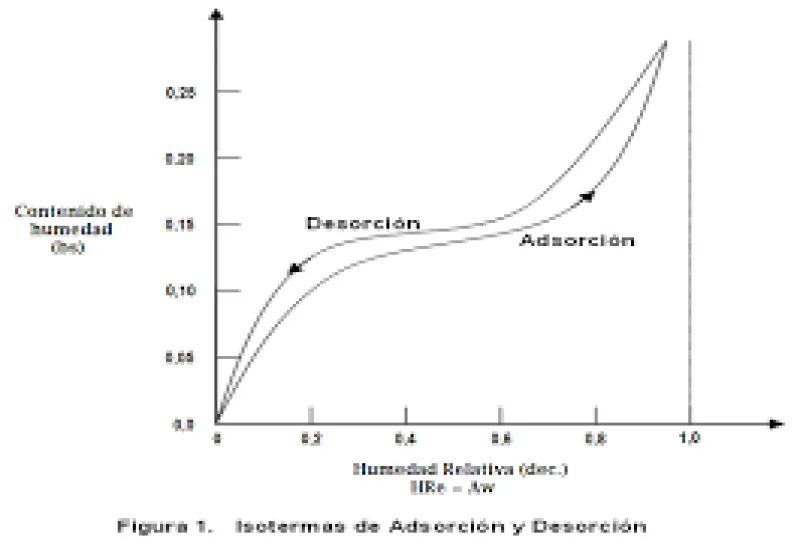
We conduct moisture absorption and desorption studies on materials used in electronics, such as epoxy resins, PCBs, ceramics, polymers, encapsulants, cables, dielectric barriers and moisture-sensitive components. The goal is to determine how water absorption affects the material’s permittivity, dielectric strength, impedance and electrical stability.
We use controlled cycles with the Sun EC01 chamber and the ETS 514 system to reach stable humidity over extended periods, allowing materials to reach hygroscopic equilibrium. Electrical measurements are then made using impedance analyzers, vector network analyzers, LCR meters, dielectric characterization equipment for solids and liquids, and oscilloscopes to record dynamic effects.
Associated standards include ASTM D570 for water absorption, IPC-TM-650 2.6.2 and 2.6.28 for PCB moisture testing, IEC 62787 for polymeric materials and the J-STD-020/033 requirements for moisture-sensitive devices. The customer receives absorption curves, comparative reports, dielectric variation analysis and photographic documentation of the procedure.
In all of our environmental analyses and laboratory tests where temperature is a critical parameter, we guarantee metrological control through in-house verification of our thermal systems. Each test is backed by temperature validation using our dry-block calibrator, with an operating range of -30 °C to 150 °C, resolution of 0.01 °C, thermal stability of ±0.02 °C and display accuracy of ±0.1 °C. We also evaluate block uniformity (horizontal ≤ ±0.05 °C) and the controlled vertical gradient, which ensures that measurements remain within the established uncertainties. This approach allows us to confirm the stability, uniformity and accuracy of the test conditions, providing reliable, traceable and technically supported results. The expanded uncertainty of the system is determined as a function of the operating point, the sensor under test and the process conditions.