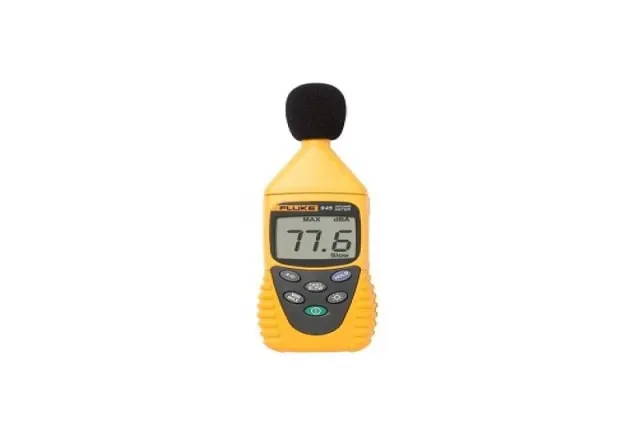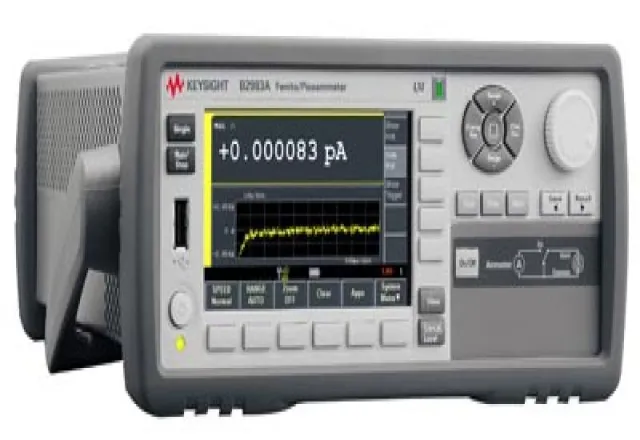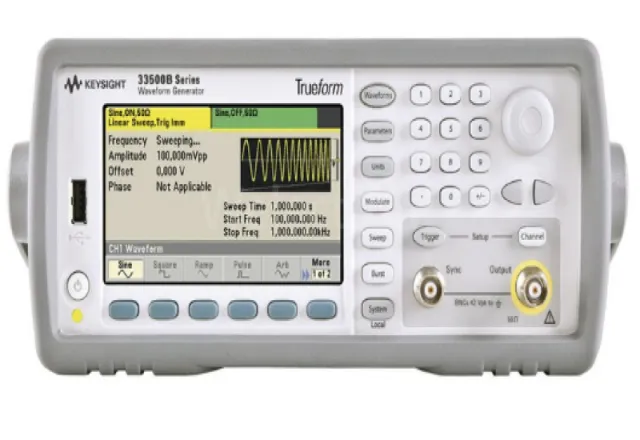
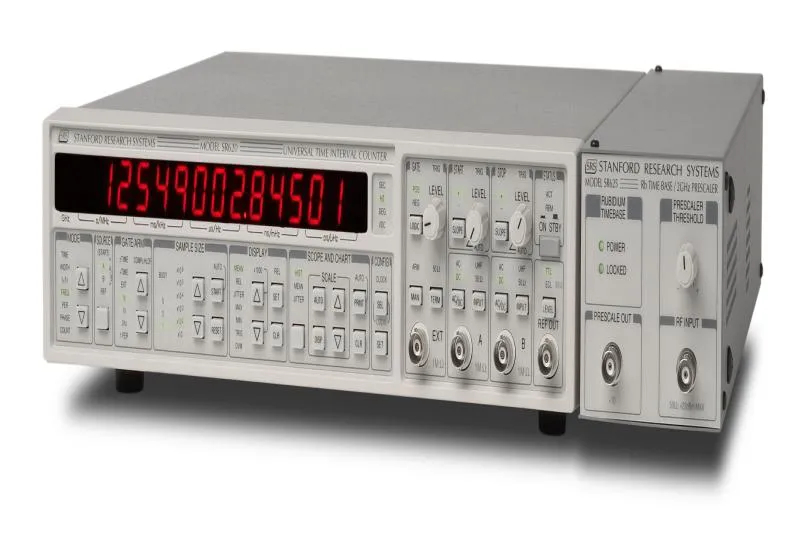
At Creativeit Group we have counters and timers with rubidium sources for greater frequency stability.
A timer is a specialized type of clock used to measure time intervals. A timer that counts up from zero to measure elapsed time is often called a stopwatch. It is a device that counts down from a specific time interval and is used to generate a time delay; for example, an hourglass is a timer.
A counter is a device that stores (and sometimes displays) the number of times a particular event or process occurred, with respect to a clock signal. It is used to count events that happen outside the microcontroller. In electronics, counters can be implemented quite easily using register-type circuits, such as a flip-flop.
Although the timer/counter systems of modern microcontrollers usually support
a wide range of functions, their most common use, at least in this course, is simply “counting” over a specific period of time. For example, if you wanted to keep track of a few elapsed seconds, it would probably be useful to configure a timer/counter with a period corresponding to one second, so that once enabled, the “overflow” (or possibly the “underflow,” if it is a down counter) occurs every second.