Unlike neighboring Campeche, where production happens offshore, much of Tabasco’s oil activity takes place on land: wells, separation batteries, compressor stations and pipelines that cross marshland, rivers and pasture. On the coast, the Dos Bocas refinery in Paraíso added a large new facility that requires ongoing electrical and instrumentation maintenance. The state also processes natural gas and is home to numerous contractors that service this entire chain.
Tabasco’s other side is agricultural: cocoa in the Chontalpa region, bananas, sugar cane and cattle. All of it operates in a climate of heavy rain, recurring floods and extreme humidity, conditions that punish electrical insulation of every kind.
Testing needs in Tabasco’s energy sector
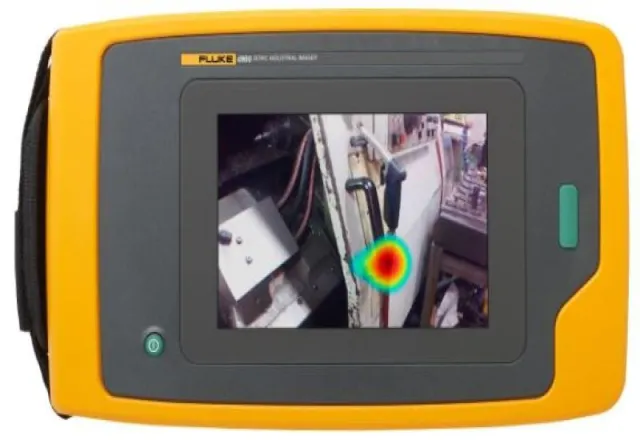
- Gas and compressed-air leaks: finding leaks in piping and fittings safely and from a distance.
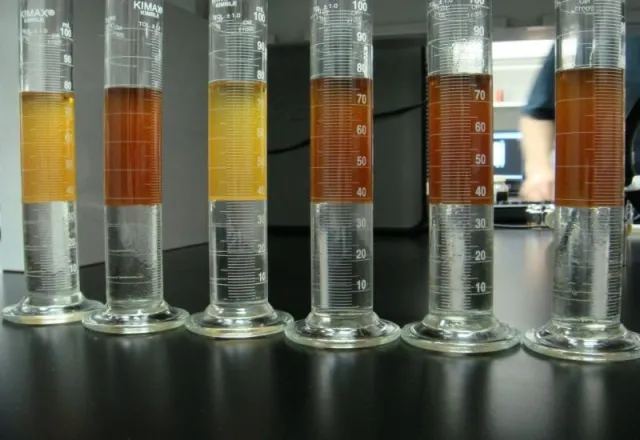
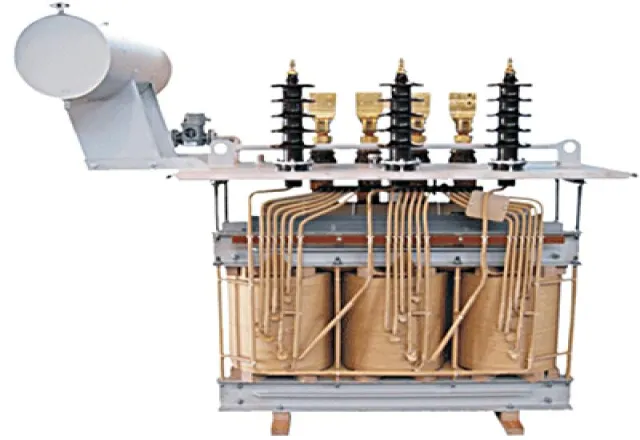
- Field transformers: dielectric oil contaminated by moisture, one of the earliest warning signs of failure in this climate.
- Motors and cables after flooding: verifying insulation before anything is re-energized.
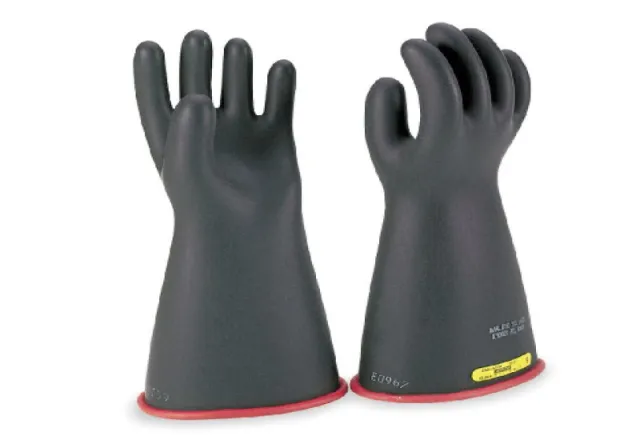
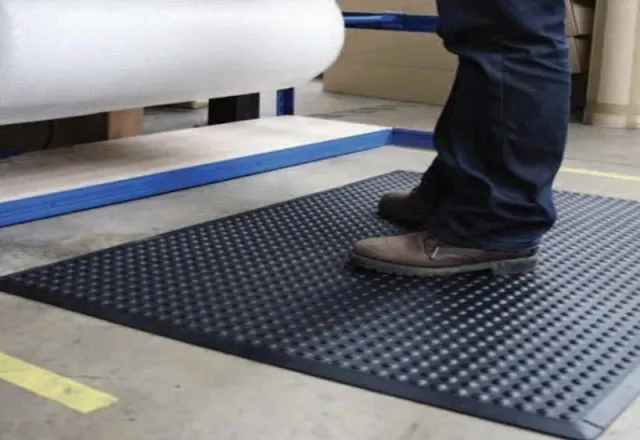
- Dielectric personal protective equipment: gloves, mats and hot sticks used daily by crews, which must be tested at regular intervals.
Services that are especially useful in Tabasco
Gas leak detection with an acoustic camera lets a technician sweep a facility and locate leaks by their ultrasonic signature without approaching the hazard. For transformers, we offer transformer oil testing with client witnessing, designed for teams that must prove to an auditor or operator that the sample and the result were not tampered with.
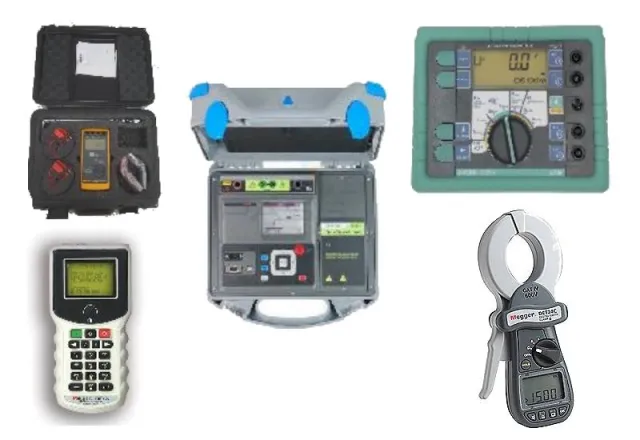
After a flood, insulation testing with Megger, hipot and VLF shows whether a motor or cable can return to service. For electrical safety, we perform dielectric glove testing and certification of industrial insulating mats, both common requirements under NOM-029-STPS, Mexico’s electrical maintenance safety standard. Ground resistance and lightning rod testing at stations and yards completes the picture.
How we cover Tabasco from Monterrey
CreativeIT works from its laboratory in Monterrey and has no facilities in Tabasco. For field work, our engineers travel to your site, meet the operator’s access and safety requirements, and agree on the test sequence with your supervisor. Dielectric protective equipment and oil samples are usually shipped to our lab, where they are tested and documented before being returned. If your company is based in the state capital, see also our page on testing and calibration in Villahermosa.
Every service includes a protocol and work plan, a professional report, and photo and video evidence; when required, testing is done in the client’s presence. Instruments are calibrated periodically by laboratories whose quality systems are certified by Perry Johnson Registrars, with traceability to NIST. We never subcontract the analysis, and our engineers answer your questions the same day. For international operators, this documentation trail tends to fit easily into existing contractor qualification files.